
How Year-End Trading Puts Pressure on Your Grease Trap
How Year-End Trading Puts Pressure on Your Grease Trap
Year-end trading does not only affect bookings, stock levels and staff schedules. It can also affect your grease trap.
As Gauteng businesses move into the year-end rush, many food-service and food-handling operations become busier. Restaurants take more bookings. Caterers prepare for functions. Hotels, venues, bakeries, butcheries, canteens, supermarkets, delis and commercial kitchens often handle higher daily output.
That extra activity usually means more food preparation, more wash-up, more wastewater, and more fats, oils, grease and food solids entering the drainage system.
If your grease trap is already close to capacity, overdue for cleaning, or working on a schedule that no longer matches your business volume, year-end trading can expose the problem quickly.
At Green FOGS, we often see grease trap issues become urgent when businesses are already under pressure. Slow drains, odours, rising wastewater levels and blocked drains are harder to manage when staff are busy, customers are waiting, and the kitchen needs to keep moving.
That is why grease trap cleaning before year-end should be treated as part of peak-season preparation.
Why Year-End Trading Increases Grease Trap Load
A grease trap fills according to what enters the system every day.
When trading increases, the grease trap often has to manage more waste. More meals prepared, more dishes washed, more trays cleaned, and more food waste rinsed from equipment can all increase the load placed on the trap.
This is especially true for businesses that use more oil, prepare fried foods, handle meat, bake at higher volumes, or process food in larger batches during the year-end period.
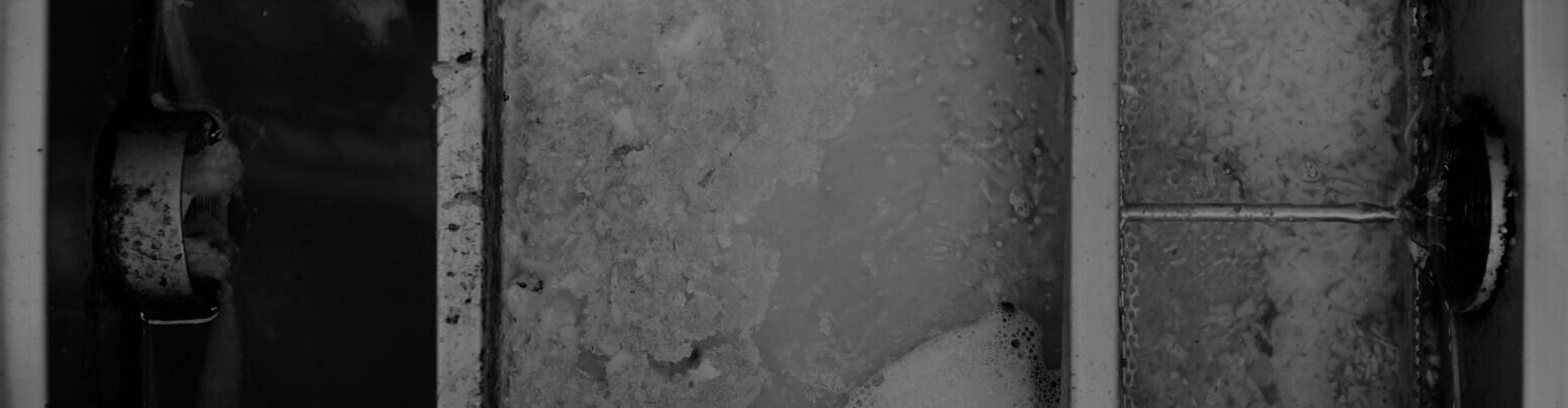
Fats, oils, grease and food solids do not disappear once they enter the drainage system. They collect inside the grease trap over time. As the trap fills, its usable capacity reduces. Once that happens, wastewater may not move through the system as efficiently as it should.
A trap that worked well during quieter months may begin filling faster once year-end trading increases.
That is why peak season grease trap cleaning should happen before the system starts showing signs of strain.
Which Businesses Are Most Exposed During Peak Season
Restaurants are not the only businesses affected by year-end grease trap pressure.
Any business that prepares, cooks, processes, serves or disposes of food can experience faster grease build-up during busy periods.
This includes restaurants, cafés, takeaways, fast-food outlets, hotels, lodges, event venues, catering companies, bakeries, butcheries, canteens, commercial kitchens, food production facilities, supermarkets, delis, school kitchens, hospital kitchens and office park kitchens.
Property managers and facilities managers should also pay attention if they manage sites with food-service tenants, shared kitchens, food courts or commercial wash-up areas.
The risk is not only how much food is served. It is also how much greasy wastewater, food residue, and solids move through the system each day.
When output increases, but cleaning routines stay the same, the grease trap may fall behind.
Why Your Normal Cleaning Schedule May Not Be Enough
A routine cleaning schedule is useful, but it should not be treated as permanent.
A grease trap cleaning schedule that worked earlier in the year may not be enough during November and December. If the business becomes busier, the trap may reach capacity sooner than expected.
This is why businesses should review their grease trap cleaning schedule before year-end trading peaks.
The trap does not fill according to calendar dates. It fills according to real usage.
If the kitchen is preparing more food, using more oil, extending trading hours, handling more catering work, or increasing wash-up activity, the cleaning frequency may need to change.
A schedule should prevent problems from appearing. If slow drains, odours or rising wastewater levels appear before the next planned service, the current schedule may already be too slow.
Warning Signs to Check Before the Rush
Before year-end trading becomes busier, businesses should check for early signs that the grease trap is struggling.
Common warning signs include slow drains, bad odours, gurgling pipes, rising wastewater levels, a thicker grease layer, the trap filling faster than usual, recurring drainage issues, or visible grease around the trap area.
These grease trap warning signs should not be ignored before peak trading.
A blocked drain rarely appears without warning. In many cases, the system has already been showing signs that flow is restricted or that build-up is becoming too heavy.
The problem is that these signs are easy to dismiss during a busy day. Staff may work around slow drainage. Odours may be blamed on bins or cleaning areas. A recurring drain issue may be treated as a once-off plumbing problem.
But if the same signs keep returning, the grease trap should be checked and cleaned before the rush becomes harder to manage.
What Happens If a Grease Trap Blocks During Peak Trading
A blocked grease trap during peak trading can create more than a drainage problem.
It can slow down wash-up areas, affect cleaning routines, create strong odours, place pressure on staff, and disrupt kitchen operations when the business needs to keep moving.
During quieter periods, a business may have more flexibility to deal with maintenance problems. During year-end trading, that flexibility is often limited.
A blockage can lead to emergency call-outs, delays, customer-facing odours, hygiene concerns, and unnecessary stress for managers and facilities teams.
The issue is not only the blockage itself. It is the timing.
A grease trap problem during the year-end rush can interrupt the exact areas the business relies on most: food preparation, cleaning, dishwashing, waste handling and daily service flow.
Preventative cleaning is much easier to manage than emergency cleaning during peak trading hours.
Why November Is the Right Time to Book Professional Cleaning
November is the right time to prepare because it gives businesses a chance to deal with grease trap build-up before December demand increases.
By the time the busiest trading period arrives, many businesses are already managing staff schedules, stock planning, customer bookings, events, catering orders and extended trading hours. Grease trap problems should not be added to that pressure.
Booking professional grease trap cleaning before the rush helps reset the system before usage increases further.
It also gives the business time to review whether the current cleaning frequency is suitable. If the trap is already heavily built up before December, the schedule may need to be adjusted for peak-season demand.
Waiting until the trap blocks, smells, or overflows usually gives the business fewer options.
A planned service gives more control.
How Green FOGS Helps Businesses Prepare for Year-End Trading
Professional grease trap cleaning services help remove the fats, oils, grease, food solids and wastewater residue that build up inside the trap.
This restores usable capacity, improves wastewater flow, reduces odours, and lowers the risk of blocked drains during busy trading periods.
Green FOGS helps Gauteng businesses prepare before year-end trading places extra pressure on their grease traps.
A professional clean can also show whether the trap is filling faster than expected. If heavy build-up is found repeatedly, the business may need to increase cleaning frequency before peak demand causes recurring problems.
The goal is not only to clean the grease trap after there is an issue. The goal is to help businesses prevent avoidable disruption before it affects staff, customers or daily operations.
For food-service and food-handling businesses, that preparation matters.
Prepare Your Grease Trap Before Year-End Trading Peaks
If your grease trap is already filling faster, smelling, draining slowly or due for cleaning, year-end trading is not the time to wait.
A full or neglected grease trap can quickly become harder to manage when bookings increase, wash-up areas are busier, and kitchen teams are under pressure. Preventative cleaning gives your business more control before odours, blockages or emergency call-outs disrupt operations.
Green FOGS can help clean your grease trap, remove built-up fats, oils, grease and solids, and review whether your current cleaning schedule is ready for peak-season demand.
Do not let year-end trading expose a full grease trap. Book professional cleaning before the rush.
