
Grease Trap Warning Signs Businesses Should Not Ignore
Grease Trap Warning Signs Businesses Should Not Ignore
A blocked drain is rarely where a grease trap problem begins.
In most Gauteng businesses, the warning signs appear earlier.
Water starts draining more slowly.
Odours become stronger.
Pipes begin to gurgle.
Wastewater levels rise inside the trap.
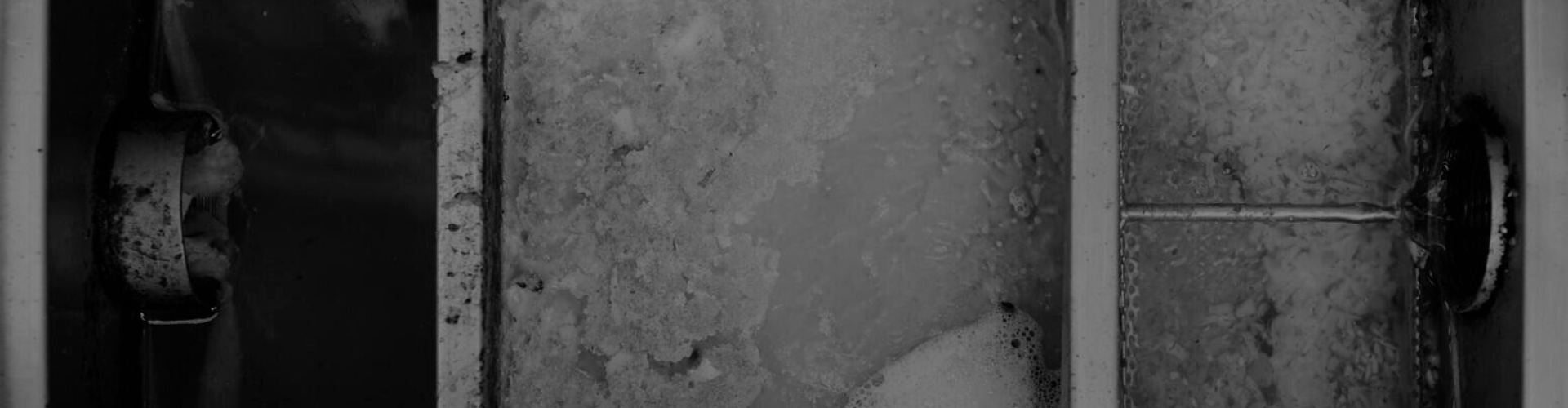
The grease layer looks thicker than usual.
In some cases, the grease trap starts filling faster than the business expects.
These signs are easy to ignore during a busy trading day, especially in restaurants, cafés, hotels, bakeries, butcheries, canteens, commercial kitchens, food production facilities and other food-handling environments. But by the time a drain blocks, the grease trap has usually been struggling for some time.
At Green FOGS, we often see businesses call only once the issue has already started affecting daily operations. In many cases, the problem could have been managed earlier if the warning signs had been recognised and the cleaning schedule adjusted before the blockage happened.
Here are the grease trap warning signs Gauteng businesses should not ignore.
Why Grease Trap Problems Usually Start Before a Blockage
A grease trap is designed to separate fats, oils, grease and food solids from wastewater before they move further into the drainage system.
Over time, these materials collect inside the trap. This is normal, but the problem starts when the build-up is not removed often enough. As fats, oils, grease and solids accumulate, the trap has less usable capacity. Wastewater does not move through as efficiently, grease separation becomes less reliable, and the risk of carry-over into the drainage system increases.
This is why a blockage is often a late warning sign, not the first one.
Before a full blockage occurs, the business may notice smaller changes in how the system behaves. These early signs are important because they show that the grease trap may already be overloaded or overdue for professional cleaning.
Slow Drainage in Sinks and Wash-Up Areas
Slow drainage is one of the most common grease trap warning signs.
In busy commercial kitchens and food-handling environments, this may first appear in prep sinks, sculleries, wash-up areas, floor drains or kitchen drainage points. Water may still drain, but it takes longer than usual. During peak operating times, the problem may become more noticeable because more wastewater is moving through the system.
Many businesses assume slow drainage is only a plumbing issue. Sometimes it is. But when slow drains keep returning, the grease trap should also be checked.
If fats, oils, grease and solids have reduced the capacity of the trap, wastewater cannot move through as freely. The result is slower drainage and restricted flow. If this is ignored, the restriction can worsen until the business is dealing with a blocked drain instead of an early maintenance issue.
For Gauteng businesses that rely on daily cleaning, food preparation and wash-up routines, slow drainage should not be treated as a small inconvenience. It is often one of the first signs that professional grease trap cleaning may be needed.
Strong Odours Around Drains or the Grease Trap
Bad odours are another warning sign that should never be ignored.
A grease trap can start smelling when grease, food particles, solids and wastewater sit too long inside the system. As the build-up increases, odours may become noticeable near drains, wash-up areas, sculleries, bin areas or grease trap access points.
In many businesses, staff notice the smell before customers do. That is already a sign that the issue needs attention.
Odour is not only unpleasant. It can affect working conditions, hygiene perception and the overall impression of the premises. In food-service environments, a persistent smell can quickly become a serious operational concern.
Masking the smell does not solve the problem. If the source is inside the grease trap, the build-up needs to be removed properly. Professional grease trap cleaning helps remove the fats, oils, grease and solids that are causing the odour, instead of only dealing with the smell after it has already spread.
Gurgling Sounds in the Pipes
Gurgling sounds are easy to dismiss, but they can point to restricted flow in the drainage system.
When wastewater struggles to move freely through the grease trap or connected lines, air movement and pressure changes can cause gurgling noises. This may happen after water is released from sinks, during wash-up, or when several drainage points are being used at the same time.
On its own, a gurgling sound may not always mean there is a serious blockage. But when it appears together with slow drainage, odours or rising wastewater levels, it should be taken seriously.
Across the Gauteng sites we service, these smaller signs often appear before the business experiences a full drainage issue. Acting at this stage is far more controlled than waiting until wastewater backs up or the kitchen has to work around a blocked drain.
Wastewater Levels Are Higher Than Expected
Wastewater levels inside the grease trap can also show that the system is not working as efficiently as it should.
If the level inside the trap is higher than expected, it may indicate restricted flow, reduced capacity or a trap that is overdue for cleaning. This can happen when fats, oils, grease and solids have taken up too much space inside the trap, leaving less room for wastewater to pass through correctly.
Rising wastewater levels should be treated as more urgent than mild odours or occasional slow drainage. If ignored, the issue can move closer to overflow or blockage.
This is why inspections are important. A cleaning schedule should not only exist on paper. It should be checked against what is actually happening inside the grease trap. If the trap is filling before the next planned service, the schedule is already falling behind real conditions.
The Grease Layer Looks Thicker Than Normal
A thicker grease layer is a clear sign that fats, oils and grease are accumulating faster than expected.
In a properly managed system, grease build-up should be monitored and removed before it affects the trap’s performance. Once the grease layer becomes too thick, the trap has less capacity to separate waste properly. This increases the risk of grease moving further into the drainage system and causing blocked drains.
A good cleaning approach should be based on actual build-up, not only on a fixed calendar schedule.
If your business is producing more food waste, using more oils, operating longer hours or experiencing busier trading periods, the trap may fill faster than it did before. The same schedule that worked previously may no longer be suitable.
At Green FOGS, we often find that the system itself is not the problem. The cleaning schedule simply no longer matches the business’s actual usage.
Your Grease Trap Is Filling Faster Than Usual
If your grease trap is filling faster than usual, it is a warning sign that the current cleaning frequency may need to change.
This can happen for several reasons. A business may be serving more customers, changing its menu, increasing food preparation, extending trading hours, or using more fats and oils in daily operations. Seasonal changes can also affect how grease behaves inside the system.
The important point is simple: a grease trap cleaning schedule must match the way the business actually operates.
A fixed schedule can become ineffective if it is never reviewed. If the trap reaches capacity before the next scheduled service, the cleaning interval is too long. Waiting until the scheduled date may leave the business exposed to slow drainage, odours, overflow or blocked drains.
Routine grease trap cleaning should help prevent problems before they affect operations. If warning signs keep appearing between services, the schedule needs to be reassessed.
Recurring Drain Issues After Plumbing Call-Outs
Some businesses only realise they have a grease trap issue after repeated drainage problems.
A drain may be cleared, only for the same issue to return days or weeks later. In these cases, the problem may not be the drain line alone. The grease trap may be contributing to the recurring blockage or restricted flow.
Clearing a drain does not always remove the fats, oils, grease and solids inside the trap. If the grease trap is overloaded, the source of the problem remains.
This is where professional grease trap cleaning becomes important. It addresses the build-up inside the trap and helps restore usable capacity. In some cases, drainage work and grease trap cleaning may both be needed, but the grease trap should not be ignored if the same drain issues keep coming back.
For Gauteng businesses, repeated plumbing call-outs can become expensive and disruptive. Identifying whether the grease trap is part of the problem can help prevent the same issue from repeating.
What Can Happen If These Warning Signs Are Ignored
Ignoring grease trap warning signs can create more than a maintenance problem.
A blocked grease trap or drainage issue can affect the way a business operates. In food-service and food-handling environments, this can quickly interfere with cleaning routines, wash-up areas, hygiene standards and staff productivity.
If warning signs are ignored, the business may face:
-
blocked drains
-
backed-up wastewater
-
strong odours
-
emergency call-outs
-
slowed kitchen operations
-
increased drainage maintenance
-
hygiene concerns
-
staff disruption
-
customer complaints
-
lost revenue due to downtime
The issue is not only the blockage. The issue is what the blockage does to the business while staff are trying to keep operating around it.
This is why early action matters. Professional grease trap maintenance gives the business more control than waiting for an emergency.
How Professional Grease Trap Cleaning Helps Prevent Blockages
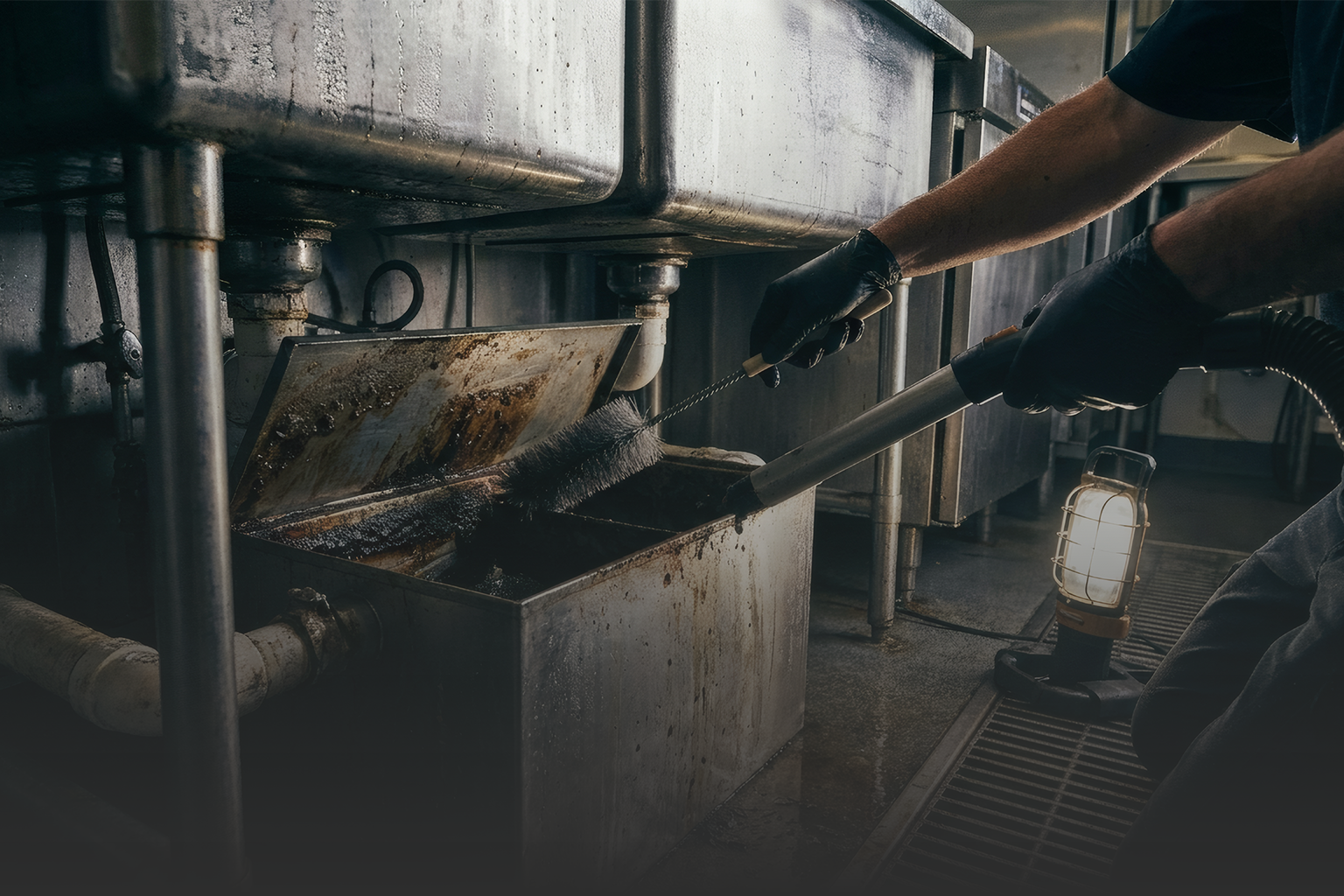
Professional grease trap cleaning removes the fats, oils, grease, food particles and solids that reduce trap capacity and restrict wastewater flow.
When the build-up is removed properly, the trap can operate more efficiently. This helps reduce odours, improve drainage, lower the risk of blockages and support cleaner kitchen operations.
Professional cleaning also helps businesses understand whether their current service schedule is still working. If the trap is filling too quickly, Green FOGS can help assess the build-up and recommend a cleaning frequency based on actual usage.
The goal is not only to respond when a blockage happens. The goal is to help Gauteng businesses identify warning signs early and keep their grease trap cleaning schedule aligned with real operating conditions.
When Should Gauteng Businesses Book Grease Trap Cleaning Services?
You should arrange professional grease trap cleaning if you notice any of the following:
-
water draining more slowly than usual
-
stronger odours around drains or the grease trap
-
gurgling sounds in the pipes
-
wastewater levels rising inside the trap
-
a grease layer that looks thicker than normal
-
the trap filling faster than expected
-
recurring drain issues after plumbing call-outs
-
visible grease or waste around the trap
-
a cleaning schedule that has not been reviewed recently
These signs should not be ignored, especially in busy food-service environments where drainage, cleaning and hygiene routines are essential to daily operations.
If your business has become busier, changed its menu, extended trading hours or increased food production, your grease trap may need to be cleaned more often than before.
Do Not Wait for a Blockage to Tell You There Is a Problem
Grease trap problems usually develop gradually. Slow drains, odours, gurgling pipes, rising wastewater levels, thicker grease layers and recurring drainage issues are all signs that the system may need attention.
By the time a drain blocks, the grease trap has often been showing warning signs for some time.
For Gauteng businesses, acting early is more controlled, more practical and more cost-effective than waiting for an emergency. Professional grease trap cleaning helps remove the build-up before it disrupts operations, affects hygiene, or leads to a blocked drain.
If your grease trap is showing warning signs, do not wait for a blockage to confirm the problem.
Contact Green FOGS to book professional grease trap cleaning services in Gauteng, or to reassess your current cleaning schedule based on your actual usage.
