
Prepare Your Business for Gauteng Water Outages
Prepare Your Business for Gauteng Water Outages
In Gauteng, water outages are no longer rare interruptions that businesses can afford to ignore. For many operations, unreliable water supply has become a direct business risk that affects cleaning, hygiene, sanitation, food preparation, staff facilities, customer areas, waste handling, and daily service delivery.
At Green FOGS, we see this risk from a practical, on-site perspective. The businesses we work with depend on water to keep their premises clean, functional, and aligned with daily hygiene standards. In restaurants and commercial kitchens, water is not only used for cooking or handwashing. It supports dishwashing, surface cleaning, floor cleaning, equipment rinsing, grease trap maintenance, drainage control, and the management of food waste and wastewater.
When that supply is interrupted, the effect is immediate. A restaurant may struggle to maintain cleaning routines during trading hours. A commercial kitchen may not be able to wash equipment, clean preparation areas, or manage waste areas properly. Offices, schools, clinics, workshops, estates, retail centres, and other commercial facilities may quickly find that bathrooms, staff areas, and customer-facing spaces become difficult to manage.
That is why a backup water plan is no longer just an emergency measure. For Gauteng businesses, it is becoming part of responsible operational planning.
Water Outages Create Operational Risk
When the water goes off, businesses do not only lose access to taps. They lose access to the routines that keep the site operating safely and cleanly.
This matters in any business, but it is especially important in environments where hygiene and drainage must be controlled every day. In restaurants, hotels, canteens, bakeries, butcheries, food production spaces, and commercial kitchens, water supports almost every part of the cleaning process. It is needed to wash hands, clean surfaces, rinse equipment, clean floors, manage wash-up areas, and keep waste zones under control.
From our experience, these are often the same areas where small problems can quickly become larger operational risks. Wash-up stations, floor drains, grease traps, food preparation areas, bin areas, and wastewater points all rely on consistent cleaning discipline. When there is no water, cleaning slows down. When cleaning slows down, grease, food residue, odours, and wastewater issues become harder to manage.
The same applies outside the kitchen. Businesses rely on water to keep bathrooms, staff facilities, customer areas, and shared spaces usable. What starts as a supply issue can quickly affect hygiene, staff productivity, tenant complaints, customer experience, service delivery, and compliance standards.
If your business cannot operate safely or cleanly without municipal water, then it needs a plan before the next interruption happens.
Restaurants and Commercial Kitchens Are More Exposed
Although every business needs water, restaurants and commercial kitchens are often under greater pressure during an outage.
These environments depend heavily on cleaning, hygiene, drainage, and waste management. Water is part of almost every routine, from food preparation and dishwashing to surface cleaning, floor cleaning, equipment rinsing, and end-of-day sanitation.
Because Green FOGS works with commercial kitchens and grease trap systems, we understand how quickly a water interruption can affect the wider operation. When cleaning routines fall behind, grease, food residue, and wastewater become harder to control. That can increase odours, hygiene concerns, blocked drainage risks, and pressure on kitchen teams.
A grease trap is only one part of the kitchen’s wastewater system, but it is closely connected to how the kitchen operates. If staff cannot rinse correctly, clean properly, or manage wash-up areas effectively, the entire cleaning and drainage routine becomes less reliable.
This is why backup water planning should not be treated as separate from kitchen operations. It supports the daily routines that keep the kitchen safe, clean, and functional.
What a Backup Water Plan Should Include
A proper backup water solution should never be based on guesswork. A small office does not use water in the same way as a restaurant, and a commercial kitchen does not have the same demand as a school, clinic, workshop, estate, retail centre, or warehouse.
The first step is understanding how the site uses water and where the biggest risks are. For some businesses, the priority may be bathrooms and staff facilities. For others, it may be food preparation, sanitation, equipment washing, floor cleaning, waste areas, or customer-facing spaces.
For restaurants and commercial kitchens, the plan should also consider the routines that keep the kitchen under control. This includes wash-up areas, cleaning schedules, grease trap access, drainage points, floor cleaning, food waste handling, and end-of-day sanitation.
Depending on the business, a backup water plan may include:
-
temporary storage
-
pumps
-
emergency water delivery
-
scheduled water delivery
-
filtration or UV treatment where needed
-
a clear plan for how stored water will be used during an outage
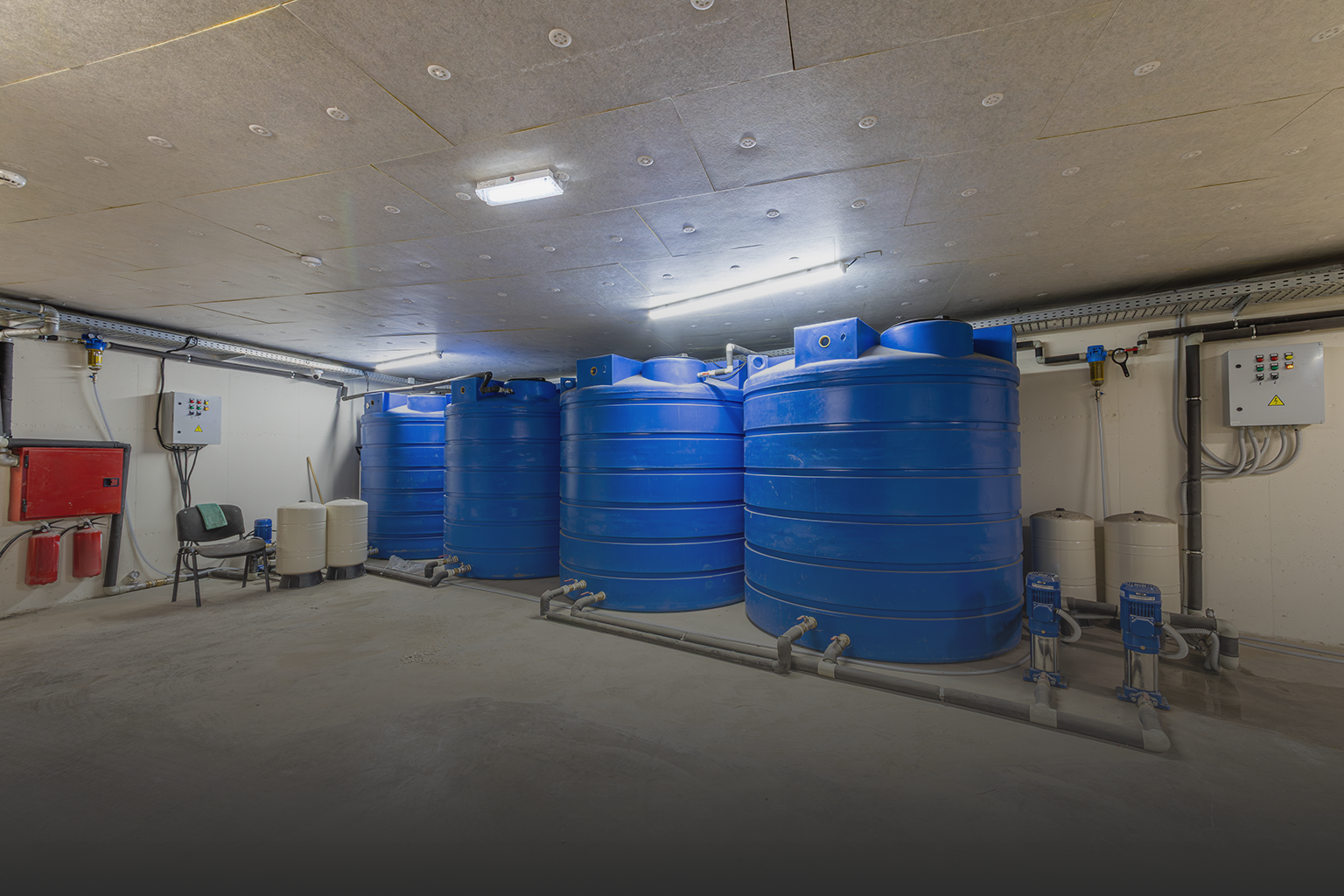
Storage is especially important. If a business has no way to receive and store water, it has fewer options when an outage happens. Even when emergency water delivery is available, the site still needs a practical way to hold and distribute that water.
The wrong setup can create a false sense of security. A tank that is too small may not support the business for long enough. A system without the correct pump setup may not move water where it is needed. A kitchen that only plans for drinking water may still be unable to clean, rinse, wash, and manage wastewater properly.
A useful backup water plan should match the site, the water demand, and the way the business operates.
Planning Ahead Gives the Business More Control
One of the biggest mistakes businesses make is waiting until the taps run dry before looking for help.
By that stage, staff are already trying to work around the problem. Cleaning may already be delayed. Bathrooms may already be affected. Kitchens may already be struggling to keep up with hygiene routines. Customers, tenants, employees, or site managers may already be asking what is being done.
At the same time, other businesses in the area may also be looking for urgent water support. When an outage affects multiple suburbs or business zones, demand for emergency water delivery can increase quickly. That makes last-minute support harder to secure.
Planning ahead gives the business a more controlled way to respond. It helps owners, managers, and facilities teams answer important questions before there is pressure:
-
How much water do we need to keep essential operations going?
-
Where can backup water be stored on site?
-
Do we need a tank, pump, temporary storage, or full backup system?
-
Should emergency or scheduled water delivery be arranged?
-
Which areas of the business must be prioritised during an outage?
-
How will bathrooms, cleaning routines, kitchens, waste areas, and drainage points be managed?
-
Who do we contact when water supply becomes unreliable?
A backup water plan should not be built around fear. It should be built around continuity.
Book a Backup Water Consultation
Green FOGS provides backup water solutions for Gauteng businesses that need a practical way to prepare for water interruptions.
Our support can include water storage solutions, backup water tanks, pumps, temporary storage, filtration or UV treatment where needed, and emergency or scheduled water delivery. More importantly, we help businesses understand what type of solution makes sense for their site.
Because we already work in environments where hygiene, cleaning, drainage, grease traps, wastewater handling, and operational reliability matter, we understand why water interruptions cannot be treated casually.
For many businesses, water is not optional. It is part of staying open, clean, compliant, and functional.
Whether the site is a restaurant, commercial kitchen, office, school, clinic, retail centre, workshop, estate, warehouse, or facility, the best time to plan is before the next outage.
Contact Green FOGS to book a backup water consultation and put a practical plan in place before the next outage affects your operation.
